 English
 Polski
 Slovenský
 Čeština
 Deutsch


Psyllium Husk – what is it, how does it work, and how to use it?

News
-
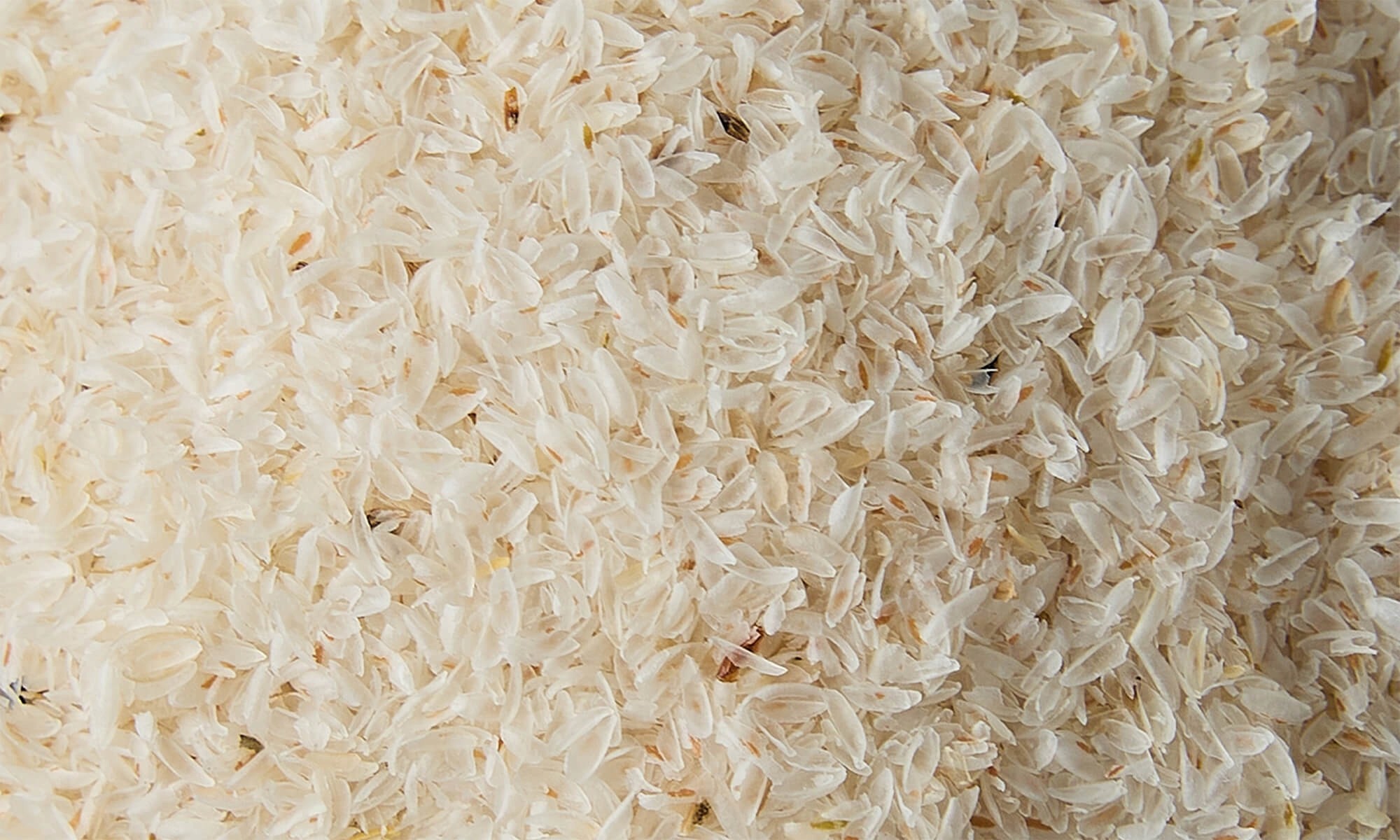 Psyllium Husk – what is it, how does it work, and how to use it?Read more
 -
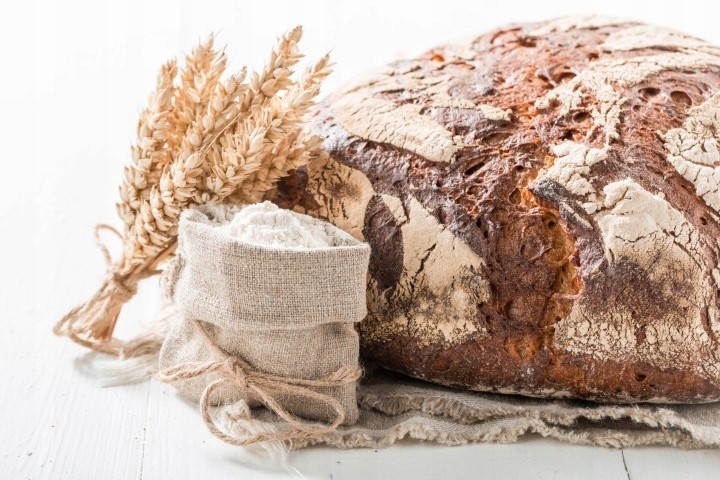 Keto bread with psyllium husk — a wheat flour-free recipe that actually holds its shapeRead more
Keto bread with psyllium husk — a wheat flour-free recipe that actually holds its shape
-
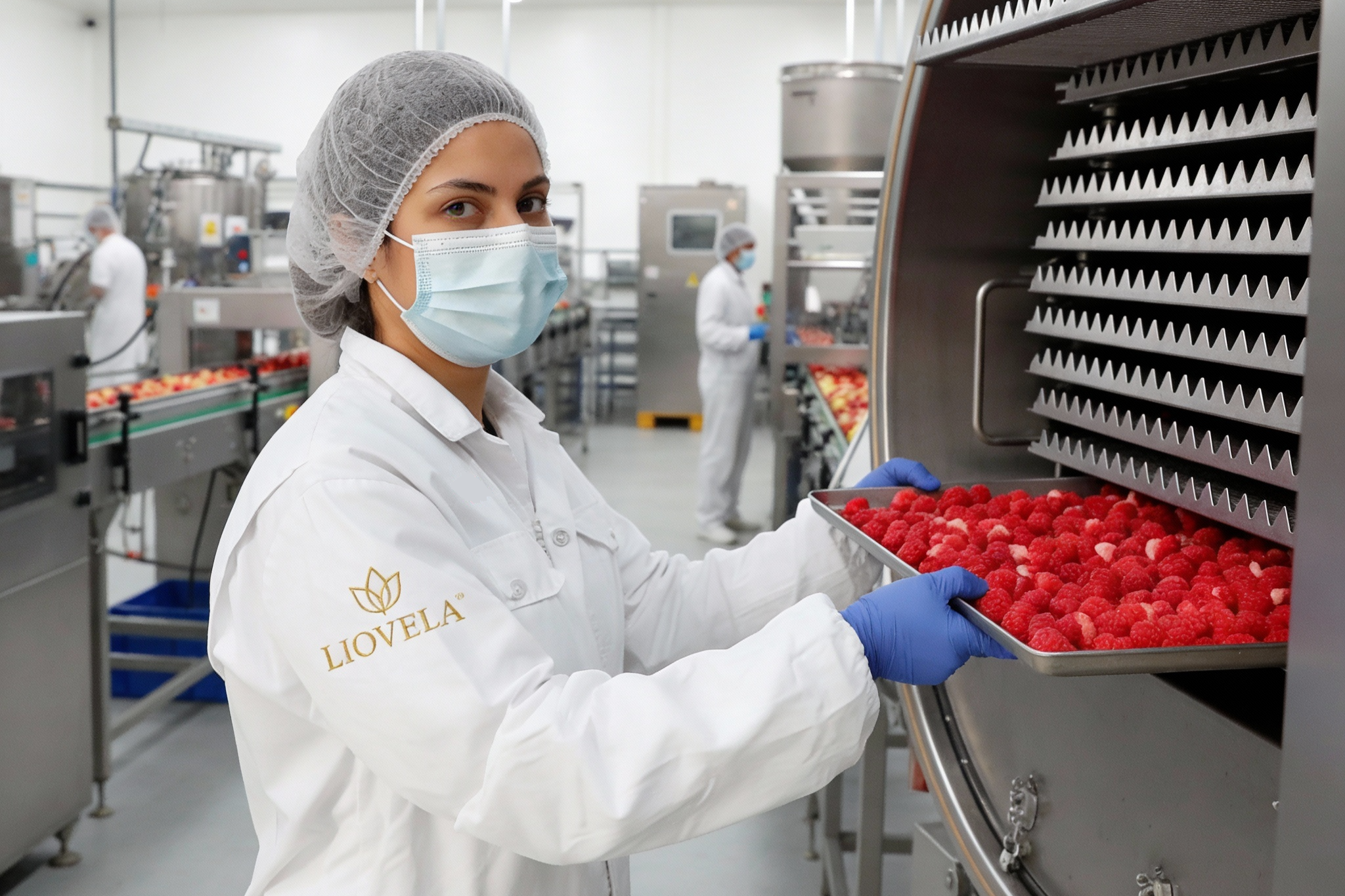 What is freeze-drying? Discover the secret of crunchy Liovela fruitsRead more
What is freeze-drying? Discover the secret of crunchy Liovela fruits
-
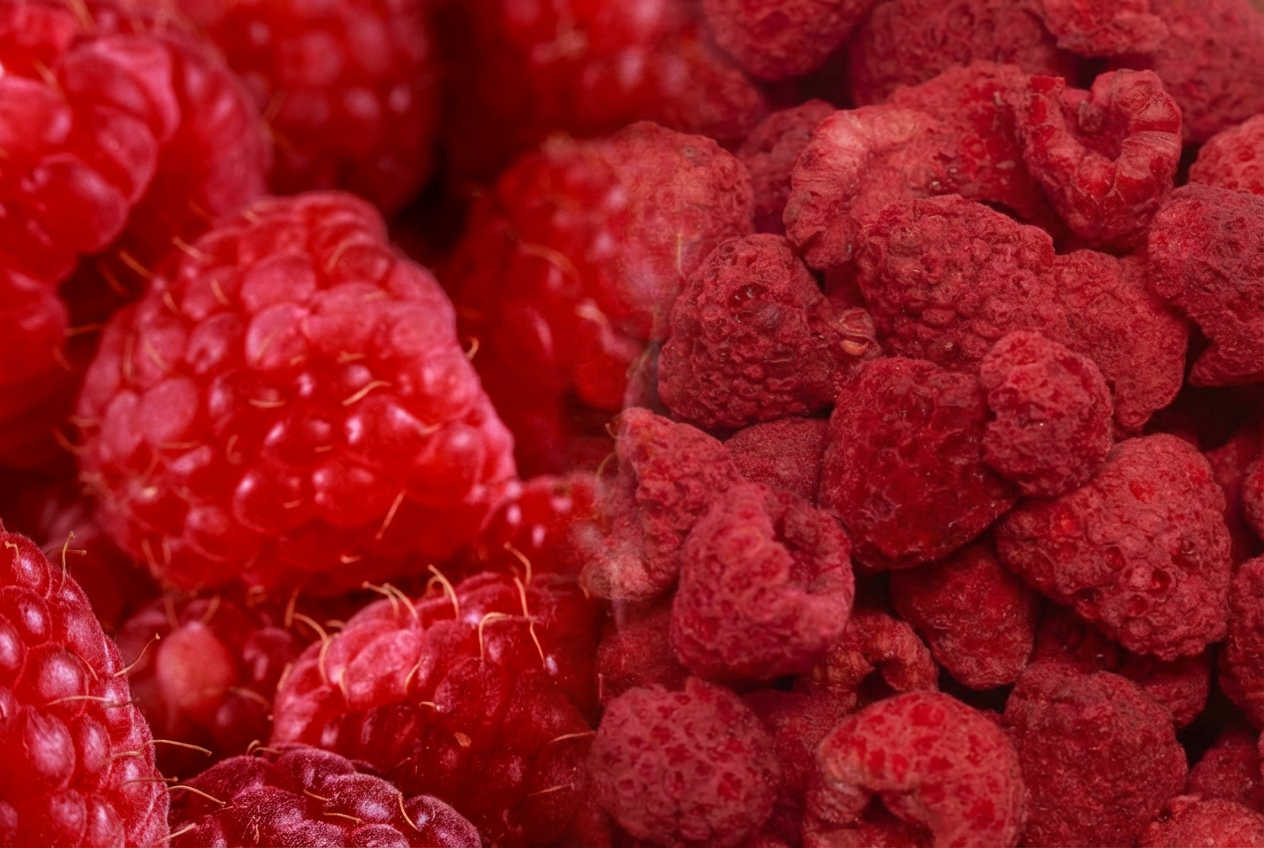 Freeze-dried or dried fruit? Discover 5 differences worth knowingRead more
Freeze-dried or dried fruit? Discover 5 differences worth knowing
-
 Healthy snacks for school and work – why freeze-dried fruits are the #1 choice?Read more
Healthy snacks for school and work – why freeze-dried fruits are the #1 choice?
Categories
Search
Archive
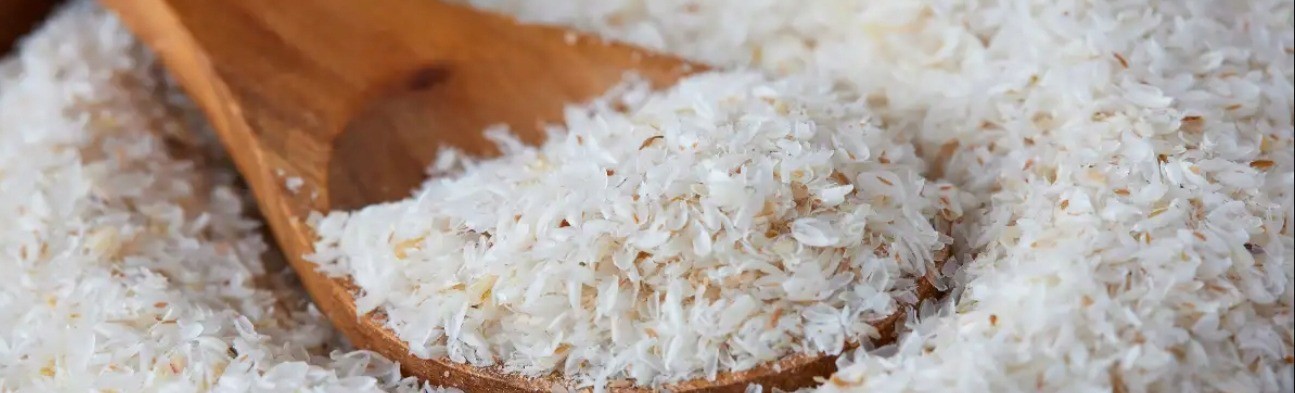
Psyllium Husk – what is it, how does it work, and how to use it?
Psyllium Husk – What exactly is it?
Put simply: Psyllium (Plantago ovata) is a plant that loves the sun and warm climates. While it may look inconspicuous, its real treasure is hidden in the seed husks. These tiny husks are the stars of healthy cooking, being a powerful source of natural soluble fiber.
How does it work? Imagine a sponge. When psyllium husks come into contact with water, they absorb it, increasing their volume many times over and creating a gentle gel. This process is the key to its popularity.
Why should you make friends with Psyllium Husk?
According to current knowledge, psyllium supports our body on several levels:
- Natural gut support: Helps maintain regular bowel movements by gently "sweeping" the intestines.
- Heart's friend: Supports the maintenance of healthy cholesterol levels in the blood.
- Feeling of fullness: By swelling in the stomach, it makes us feel full for longer (ideal for weight management).
- Glucose support: May help maintain stable blood sugar levels after meals.
How to use it safely?
Rule number one: DRINK WATER!
- • Dosage: Usually 1–2 teaspoons per day is enough.
- • Preparation: Mix with water, juice, yogurt, or add it to your oatmeal.
- • Hydration: For every portion of psyllium, drink an extra glass of water. Without fluids, fiber cannot work properly!
Important Notes:
Keep a 2-hour gap between taking psyllium and your medication. In case of serious digestive system issues, consult a doctor before use.
FAQ – Frequently Asked Questions about Psyllium Husk
What does Psyllium Husk taste like?
It is almost completely neutral. It has a mild, grainy aroma that doesn't change the taste of dishes – it fits perfectly into juices, yogurts, or pancakes.
How many calories are in Psyllium Husk?
There are approx. 180–200 kcal per 100g, but a daily portion is only 5–10g. Most calories come from fiber, which is not fully absorbed, thus supporting a weight-loss diet.
Is Psyllium Husk safe during pregnancy?
Usually yes, as it works mechanically. However, always consult supplementation with your doctor and remember to stay highly hydrated.
How does it differ from Blond Psyllium (Psyllium Seed)?
Psyllium husks bind much more water and create a thicker gel than whole seeds. They are often used together as so-called "vital fiber."
How quickly can you see results?
It is an individual matter; some feel a difference after 24–48 hours. The key is regularity and drinking at least 2 liters of water daily.
Can children consume it?
Caution is required. Giving fiber to children should always be consulted with a pediatrician to determine the correct dose and monitor fluid intake.
Can I eat dry Psyllium Husk?
Absolutely not. Never swallow dry husks. Psyllium swells instantly and could cause choking. Always mix it with a liquid.
Does Psyllium Husk contain gluten?
It is naturally gluten-free. It is highly valued in gluten-free baking because the psyllium gel mimics the role of gluten, giving dough elasticity.
Do you already have a pack in your cupboard, or are you just planning your purchase? Let us know how you plan to sneak it into your diet!
In:
Liovela SK
Related posts
-
Healthy snacks for school and work – why freeze-dried fruits are the #1 choice?Healthy snacks for school and work – why freeze-dried fruits are the #1 choice?Read more
-
Freeze-dried or dried fruit? Discover 5 differences worth knowingFreeze-dried or dried fruit? Discover 5 differences worth knowingRead more
-
What is freeze-drying? Discover the secret of crunchy Liovela fruitsWhat is freeze-drying? Discover the secret of crunchy Liovela fruitsRead more
-
Keto bread with psyllium husk — a wheat flour-free recipe that actually holds its shapeKeto bread with psyllium husk — a wheat flour-free recipe that actually holds its shapeRead more
Comment